.bjYHYPFC.webp)
The setting
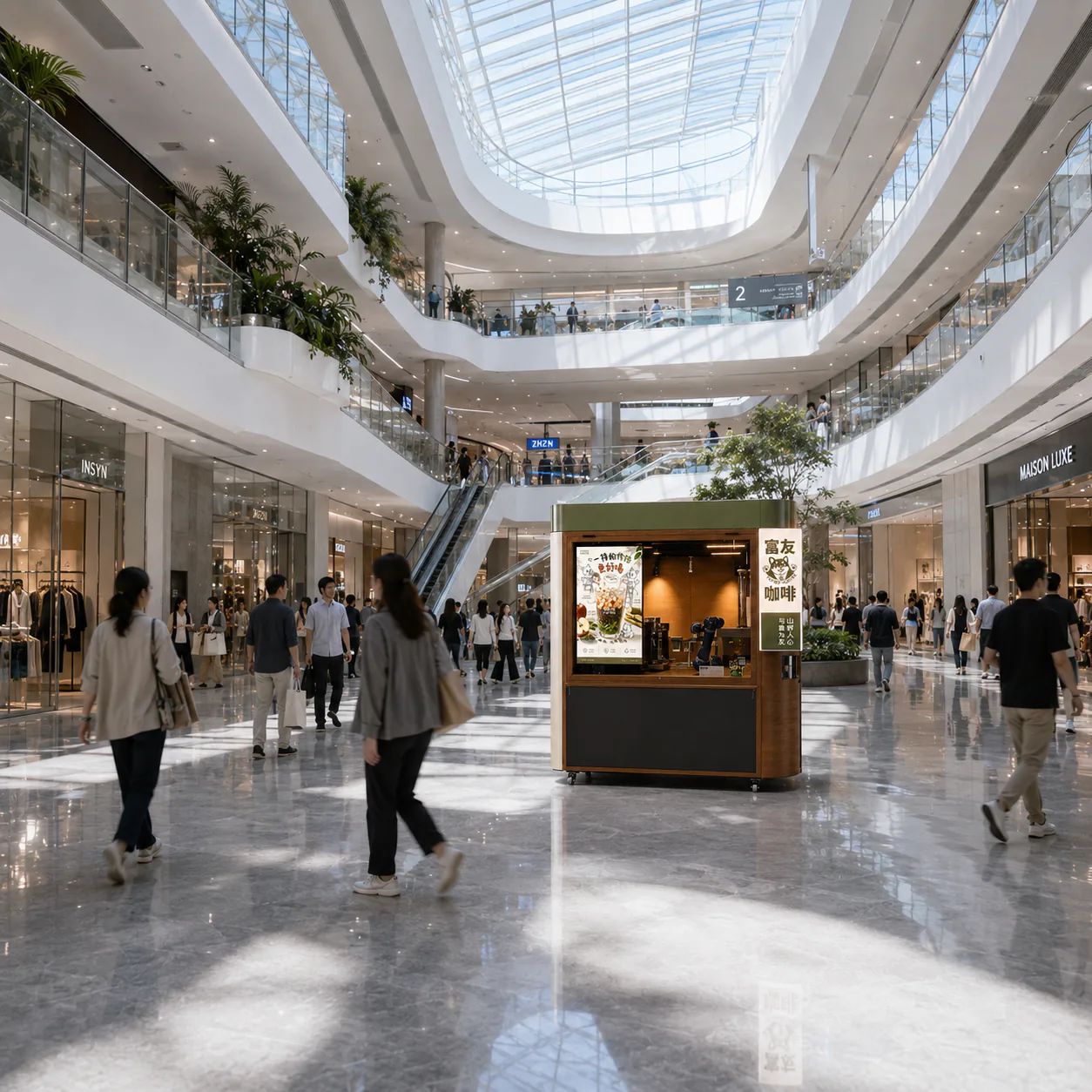
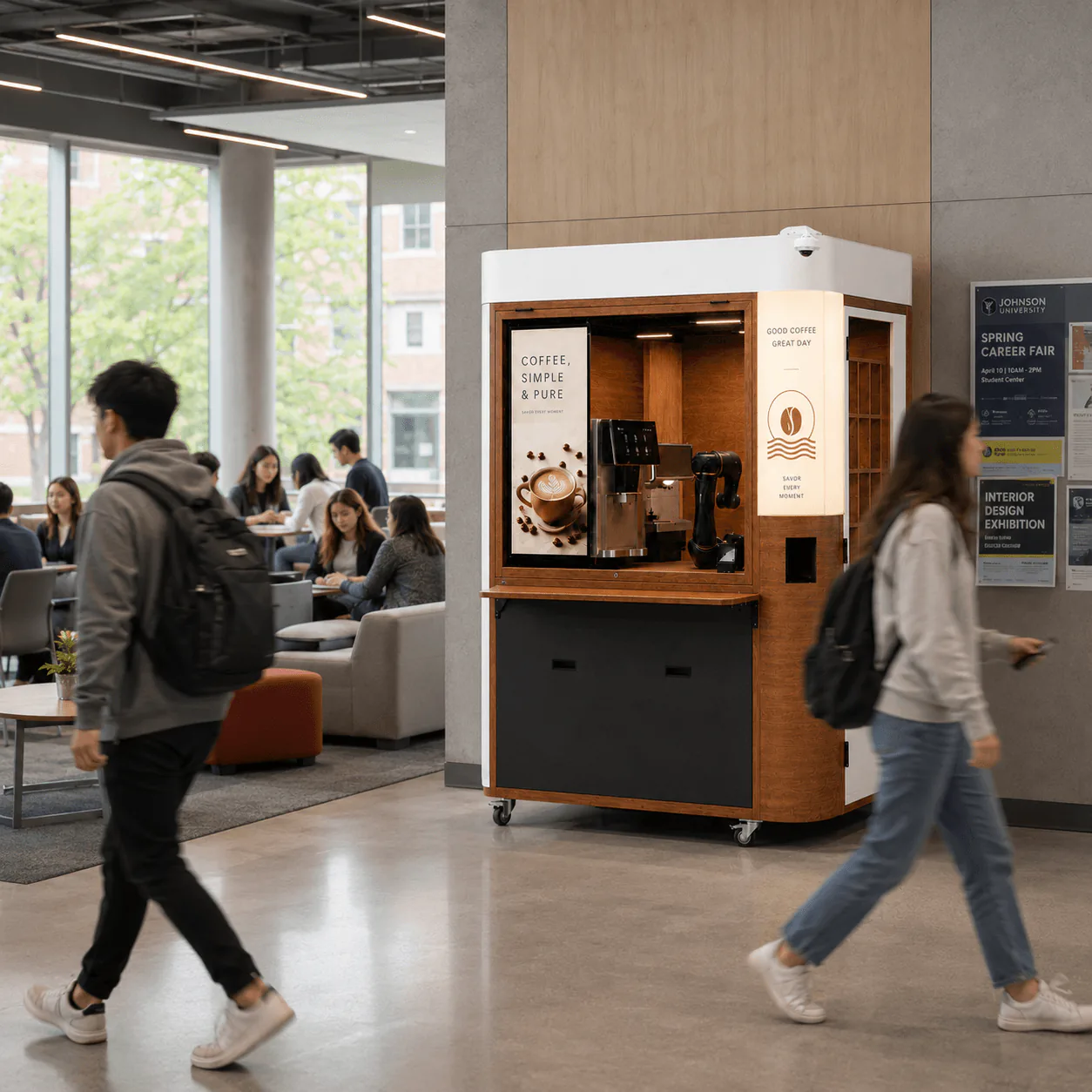
We deployed the robotic coffee kiosk at a public pop-up event with steady walk-up traffic over the course of the day. The goal was to see how the kiosk handled real customers, real ordering, and real throughput—not just a controlled demo.
The setup
The kiosk was placed in a visible, high-footfall spot near the event entrance, with a clear approach and room for a small queue. We stocked it for the expected session and ran a short briefing so on-site staff could assist first-time users and restock as needed.
What we observed
- Curiosity drove the first wave—most early visitors came over specifically to watch the robotic preparation.
- First-time ordering was straightforward; a short prompt or staff nudge helped the least familiar users complete their order.
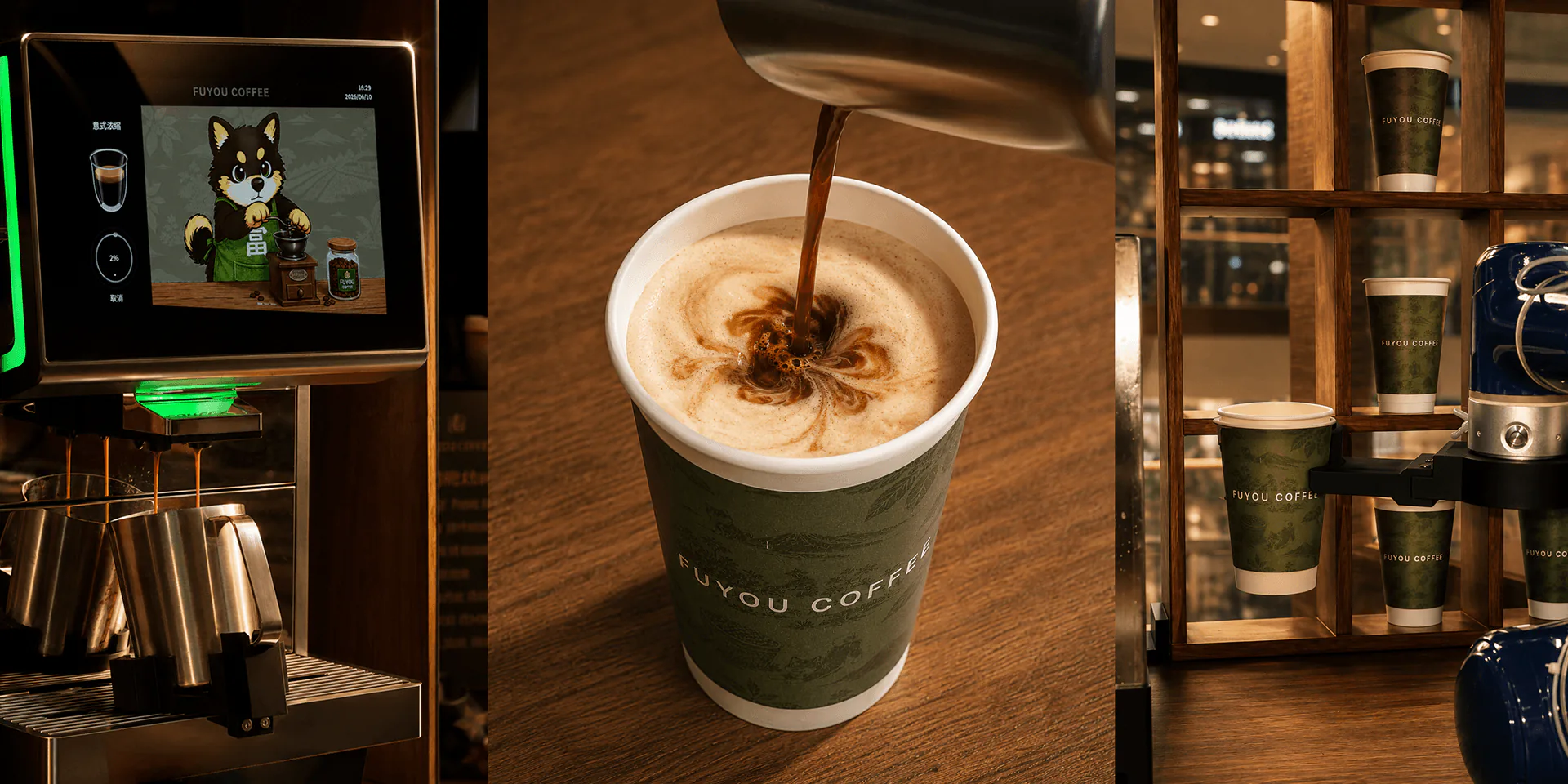
- Drink consistency held across the session—every cup came out the same regardless of how busy it got.
- Throughput stayed smooth during peaks, with the kiosk serving more than 80 cups across the event.
- Restocking was the main on-site task; the machine itself ran without intervention between service visits.
What we learned
- Visibility matters most—placing the kiosk where the robotic preparation can be seen is the best single driver of trial.
- A brief on-site presence for first-time users removes nearly all friction at the order screen.
- Consistency is the kiosk's strongest selling point in a live setting; customers noticed it directly.
- Restocking rhythm, not staffing, is the operational lever—plan visits around expected peaks.
Next steps
The pop-up confirmed that the kiosk can hold up under real event traffic with minimal staffing. We are using these observations to refine placement guidance and restocking planning for future deployments. If you are considering a kiosk for an event, retail, or venue setting, we are happy to share what worked and help you plan.